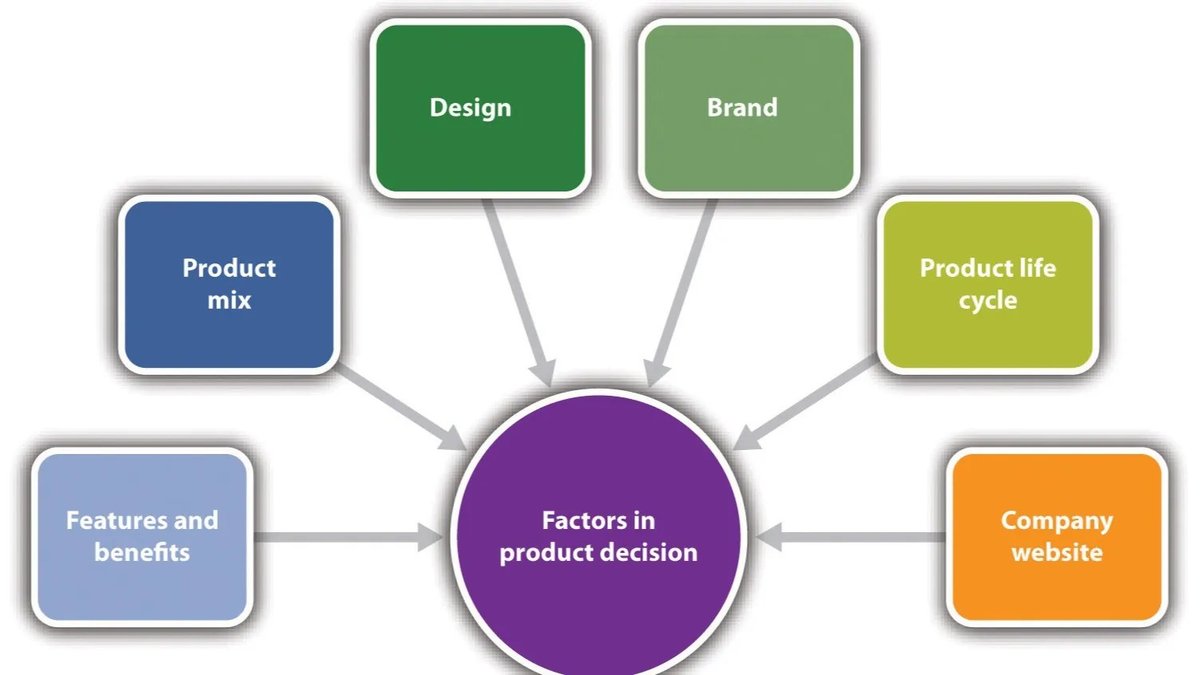
It's an age-old challenge for both creators and consumers: How do you truly understand what makes a product tick, and more importantly, how do you know if it's the right fit for you? The answer often lies at the powerful intersection of Product Features & Reviews. These two elements are more than just bullet points on a spec sheet or star ratings on a website; they are the lenses through which we clarify value, validate claims, and make informed decisions in a sea of options.
Understanding product features illuminates what a product can do, while diving into product reviews reveals what it actually does for real people. This guide cuts through the noise, offering a comprehensive look at how these twin pillars help us understand what truly matters to users, whether you're building a product or buying one.
At a Glance: What You'll Discover
- Features are more than functions: They're specific capabilities designed to solve a problem and add value.
- Product managers orchestrate features: Defining and prioritizing them is a strategic art.
- Reviews are user experiences shared: They offer balanced insights into a product's real-world performance.
- Credibility is key in reviews: Authentic usage and balanced assessment build trust.
- Features and reviews are symbiotic: They validate each other, driving improvement and informed choices.
- Learn to identify good features: Understand what questions a feature should answer.
- Master the art of writing (or spotting) a useful review: Focus on real experience and key details.
- Leverage both for better decisions: Whether you're a builder or a buyer, this synergy is your superpower.
Unpacking Product Features: The Building Blocks of Value
Every product, from the simplest app to the most complex piece of machinery, is a collection of features. These aren't just random additions; they are carefully considered functions or characteristics specifically designed to enhance a product's value. Think of a feature as a puzzle piece: each one adds something unique, and together, they form the complete picture of what the product offers.
For product teams, defining these features is a strategic endeavor. It's about ensuring every capability, every design element, and every performance upgrade supports the overarching product strategy and delivers tangible value to the customer. The ultimate goal? To solve customer problems, plain and simple, and in doing so, create business value. This often means navigating tricky trade-offs between exciting ideas, the effort required for development, and how well everything aligns with the product's core mission.
Feature vs. Product vs. Benefit: Drawing Clear Lines
Before diving deeper, let's untangle some commonly conflated terms:
- Product: This is the overarching offering sold to customers. It’s the entire package, the whole solution. (e.g., A smartphone)
- Feature: A discrete, specific area of functionality within that product. It's a "what." (e.g., The smartphone's 120Hz refresh rate display, its facial recognition unlock, or its 5G connectivity).
- Benefit: The positive outcome or advantage a customer gains from using a feature. It's the "why" a feature matters to them. (e.g., The 120Hz display provides a smoother scrolling experience, facial recognition offers convenient and secure access, and 5G connectivity enables faster downloads and streaming).
Understanding these distinctions is crucial for both product developers communicating value and consumers evaluating solutions. You're not just buying a smartphone; you're buying the benefits that its features provide.
The Art of Feature Definition: From Idea to Blueprint
Behind every successful feature is a consistent, repeatable method of definition. It’s a process that moves from raw ideas to a clear, actionable plan for development.
- Idea Generation: Inspiration can strike from anywhere—customer feedback, market research, team brainstorms, or stakeholder requests. These raw ideas are the starting point.
- Idea Management: Product managers then gather, assess, and prioritize these ideas. This critical phase helps identify which concepts are truly worthy of further investigation and potential development. It’s about separating the "nice-to-haves" from the "must-haves."
- Defining the "What" and the "Why": A well-defined feature isn't just a vague notion; it clearly communicates what needs to be built and, critically, why it needs to be built. It describes the functionality in detail and articulates the specific customer need it addresses, ensuring the broader product team is aligned on its purpose.
When defining a feature, product teams consider a range of questions:
- How does this feature contribute to our overall product goals?
- What specific challenge or problem does it solve for the user?
- What capabilities and user experience (UX) elements are necessary for it to function?
- What's the estimated timeline for development?
- Which customer segments or personas will benefit most from this?
- Who is responsible for its development and success?
To maintain consistency and clarity, product teams often use structured templates for feature definitions. These typically include: - Feature Name: A clear, concise identifier.
- Overview: A brief description of the feature's purpose and functionality.
- Timing: When is it expected to be released?
- Status: Current stage (e.g., ideation, design, in development).
- Team: Who's working on it?
- Strategic Alignment: How does it connect to broader product and business goals?
- Who it Benefits: Specific customer segments or user personas.
- User Challenge: The core problem the feature aims to solve.
- Value Score: A quantifiable measure of its potential impact.
- Design/UX: Key design considerations and user flow.
- Impacted Functionality: How might it affect existing parts of the product?
- Open Questions: Any remaining unknowns or dependencies.
- Notes: Additional context or insights.
Tools like Aha! Roadmaps or similar project management software can streamline this process, ensuring every feature is meticulously planned and understood across the organization.
Prioritization: Making Smart Choices for the Roadmap
Even with the best ideas and most thorough definitions, not everything can be built at once. This is where prioritization becomes paramount. Product managers must evaluate each potential feature against a matrix of factors:
- Customer Benefit: How much value does it deliver to the user?
- Alignment with Business Objectives: Does it move the needle on key company goals (e.g., revenue, user acquisition, retention)?
- Development Effort: How complex or time-consuming will it be to build?
Various frameworks assist in this decision-making, such as value scores (quantifying potential impact), user story mapping (visualizing user journeys and prioritizing critical path items), or weighted scoring models. The goal is to build a product roadmap that maximizes impact while being realistic about resources and timelines, ensuring the most valuable features make it into users' hands.
Demystifying Product Reviews: The User's Voice
While features tell us what a product can do, reviews reveal what it actually does in the wild. They are the collective voice of users, offering real-world perspectives that can make or break a purchasing decision. A truly useful product review provides balanced information, highlighting both the benefits and any flaws, all based on genuine research and firsthand experience.
When approaching a review, whether you're writing one or reading one, it's essential to consider the initial goal a user had for buying the product. Did it meet expectations? Did it fall short? Detailing the user experience, good and bad, forms the bedrock of a credible review.
What Makes a Review Trustworthy and Useful?
In a world saturated with opinions, discerning a trustworthy review from a biased one is an invaluable skill. Here are the hallmarks:
- Authenticity: The reviewer genuinely interacted with the product. They aren't just reciting marketing copy.
- Balance: It discusses both positive and negative aspects, providing a nuanced perspective.
- Specificity: It explains why certain features or experiences were good or bad, with concrete examples.
- Relevance: It addresses questions that real shoppers have.
- Context: It may compare the product to alternatives, helping place it in the broader market.
- Evidence: Photos or videos can significantly enhance credibility.
Readers are inherently skeptical of overly effusive praise or scathing criticism that lacks detail. Credibility comes from a clear, honest account of the user's journey with the product.
The Journey of a Reviewer: A Step-by-Step Guide
Whether you aspire to write reviews or simply want to better understand how they're made, knowing the process helps.
- Research the Product (and its World): Don't just read the manufacturer's description—critically assess it, separating marketing hype from factual information. Go deeper by researching competitors. How does this product stack up against alternatives? What unique selling propositions (USPs) does it truly have?
- Obtain the Product: This seems obvious, but it's foundational. Acquire the product. Buy it, rent it, or if you have a platform (like a blog or popular social media), request a review unit from the manufacturer or retailer. Gaining firsthand access is non-negotiable for an authentic review.
- Use the Product (Genuinely!): This is the heart of a credible review. Don't just unbox it and take pictures. Live with the product. Use it as intended, and perhaps even in ways slightly outside its primary purpose, to fully explore its capabilities and limitations. For instance, if you're reviewing a new dishwasher detergent gel, don't just run one load; put it through its paces over several weeks with varying levels of grime. See if it leaves residue, how well it tackles dried-on food, or if it has any lingering scent. A thorough test might involve loads that include items you'd typically pre-rinse, to truly push its limits. You might discover, as some users have, that a specific formula like Seventh Generation Dishwasher Gel Free excels at certain tasks but might need a little extra help with others. This deep, authentic interaction builds the trust readers seek.
- Know What Readers Are Looking For: Put yourself in the shoes of a potential buyer. What questions would you have? Common inquiries include:
- How easy is it to set up and use?
- What's the overall quality and durability?
- Is it suitable for its advertised target audience?
- How do other users experience it (if comparing notes)?
- What are the main pros and cons?
- Are there better alternatives at a similar price point?
- Does it offer good value for money?
Crafting a Killer Review: Structure and Substance
With your experience in hand, it's time to articulate it clearly and persuasively.
- Start with a Hook and Overview: Grab the reader's attention immediately. Briefly introduce the product and its advertised benefits. If it's a new product, explain its core functionality. If it's an update, discuss its evolution or common issues in its category.
- Provide Essential Product Details: Lay out the basic facts: brand name, model number, key measurements, target demographic, and price range. This offers crucial context.
- Offer a Balanced Assessment: This is where you dive into what you genuinely liked and disliked. Crucially, explain your judgments. Don't just say "it's bad"; explain why it's bad (e.g., "The battery life was disappointing, draining completely after only 4 hours of moderate use, despite claims of 8 hours"). Maintain an unbiased, objective tone, even when discussing frustrations.
- Compare and Contrast (The Market Context): How does the product stack up against similar alternatives? Discuss their respective pros and cons. This is invaluable for first-time buyers who are navigating a crowded market and need help understanding where this product fits.
- Pinpoint the Target Audience: Who would truly benefit most from this product? Consider its ease of use, specific feature set, and how it relates to other products users might already be familiar with. Is it for beginners, professionals, or a niche group?
- Conclude with a Summary and Verdict: Reiterate the main benefits and flaws. Evaluate whether the product lives up to its marketing claims. Finally, offer your overall opinion on its value proposition. Is it worth the investment?
- Publish Thoughtfully: Choose the right forum—a personal blog, a dedicated review site, or a retailer's product page. And critically, allow sufficient time between acquiring the product and publishing your review. Thorough testing takes time; rushing it compromises the honesty and depth of your evaluation.
Pro-Tip for App Reviews: If you encounter bugs in an app, it's often more effective to report them directly to the developers through their support channels rather than immediately leaving a negative public review. This allows them to address the issue, potentially leading to a better experience for everyone.
The Power of Specificity: Why Details Win
Generic praise ("It's great!") or vague complaints ("It's terrible!") offer little value. Specificity, however, is gold. Instead of "The camera is good," say, "The camera produced sharp, vibrant photos in daylight, but struggled with noise in low-light conditions, particularly noticeable in indoor shots after dusk." This level of detail empowers readers to make informed decisions based on their own needs and priorities.
Spotting a Fake or Biased Review
In the digital age, not all reviews are created equal. Look out for these red flags:
- Extreme language: Overly emotional, all-caps, or excessively positive/negative language without specific details.
- Lack of verifiable use: No photos, videos, or specific details about how the product was used.
- Repetitive phrasing: Multiple reviews using the exact same unusual phrasing (often indicative of templated fake reviews).
- Reviewer history: A profile with only one review, or a flood of reviews for unrelated products published very quickly.
- Generic product names: Referring to "the product" instead of its specific name or model.
- Perfect timing: Reviews appearing suspiciously quickly after a product's launch, before extensive testing is plausible.
The Symbiotic Relationship: Features Meet Reviews
Product features and reviews aren't isolated concepts; they exist in a dynamic, symbiotic relationship. One informs and validates the other, creating a powerful feedback loop for both product creators and consumers.
How Reviews Validate (or Challenge) Features
For product teams, reviews are an invaluable reality check. They tell you if the features you meticulously defined and built are actually delivering the intended benefits.
- Validation: Positive reviews that specifically call out a feature confirm that it resonates with users and solves a real problem. For example, if your new app feature allows users to easily share content across platforms, and reviews consistently praise its "seamless sharing capabilities," you know you hit the mark.
- Challenge: Conversely, negative reviews often highlight where a feature falls short or creates new problems. If a feature designed for "intuitive navigation" is consistently criticized for being "confusing" or "hard to find," it's a clear signal that the implementation needs re-evaluation, regardless of how well it was initially defined.
Reviews provide the crucial qualitative data that complements quantitative usage metrics, offering the "why" behind the numbers.
Turning Review Insights into Feature Improvements
The feedback loop doesn't stop at validation. Smart product teams actively mine reviews for insights that can drive future feature development and existing feature refinement.
- Identify Pain Points: Negative reviews often pinpoint specific feature-related frustrations. These are prime candidates for improvement or redesign.
- Uncover Unmet Needs: Sometimes, reviews will express a desire for functionality that doesn't yet exist. These can spark ideas for entirely new features or variations.
- Prioritize Enhancements: When many reviews mention the same issue or desire, it gives product managers clear data points for prioritizing which features to update or build next. It brings the voice of the customer directly into the prioritization frameworks discussed earlier.
By treating reviews as a continuous stream of user research, companies can ensure their product roadmaps are truly user-centric and responsive to evolving needs.
For Consumers: Using Features & Reviews to Make Informed Decisions
For buyers, the synergy between features and reviews is your ultimate decision-making tool.
- Start with Features (Your Needs): Begin by identifying your specific needs and what features are essential to meet them. Make a list of "must-have" and "nice-to-have" features.
- Cross-Reference with Reviews (Real-World Performance): Once you have a product (or a shortlist of products) that advertises those features, turn to the reviews. Do real users confirm that these features work as advertised? Are there any hidden drawbacks or unexpected benefits related to those features?
- For example, a laptop might boast a "long battery life" (feature). Reviews will tell you if it genuinely lasts all day under typical use (benefit confirmed) or if it drains quickly when performing intensive tasks (feature limitation revealed).
- Read Between the Lines: Pay attention to how different reviewers use a product. Someone reviewing a complex software for professional use might have different needs and expectations than a casual user. Which perspective aligns more with yours?
- Balance the Positives and Negatives: Don't let a single overwhelmingly positive or negative review sway you entirely. Look for patterns in feedback across many reviews. Is a flaw mentioned by only one person, or is it a recurring theme?
By thoughtfully combining your understanding of a product's advertised features with the lived experiences shared in reviews, you equip yourself to make choices that genuinely align with your expectations and needs, minimizing buyer's remorse.
Common Questions About Product Features & Reviews
It’s natural to have questions when navigating the world of product development and consumer feedback. Here are some quick answers to common queries.
What's the difference between a feature and a benefit again?
A feature is what a product does (e.g., a car has anti-lock brakes). A benefit is the positive outcome or advantage you get from that feature (e.g., anti-lock brakes provide safer stopping power, reducing accident risk). Features are objective facts; benefits are the subjective value derived by the user.
How do companies decide which features to build?
Companies decide based on a rigorous process that typically involves:
- Customer needs: Identifying problems users face through research, feedback, and market analysis.
- Business goals: Ensuring the feature supports strategic objectives like revenue growth, user retention, or market expansion.
- Feasibility: Assessing technical complexity, required resources, and development effort.
- Competitive landscape: Analyzing what competitors offer and identifying gaps or opportunities. Product managers use prioritization frameworks (like scoring models or cost-benefit analysis) to weigh these factors.
Can I trust online reviews?
Generally, yes, but with a critical eye. Many platforms employ sophisticated algorithms to detect and remove fake reviews. However, some still slip through. Look for reviews that are specific, balanced, and from diverse sources. Check reviewer profiles for consistency, and be wary of reviews that seem overly emotional, lack detail, or are strikingly similar to others.
What if a product review seems too good or too bad to be true?
If a review feels exaggerated in either direction, it's a signal to dig deeper.
- Too good: Might be incentivized or fake. Look for specific examples of how the product excelled, not just generic praise.
- Too bad: Could be an isolated incident, a user error, or a competitor trying to undermine a product. See if the negative points are corroborated by other reviewers or if the reviewer provides context on how they used the product. A balanced perspective comes from aggregating many reviews.
Your Next Steps: Engaging with Products, Features, and the Stories They Tell
The world of products is constantly evolving, driven by innovation in features and shaped by the honest feedback in reviews. For both the innovators and the consumers, understanding this dynamic interplay is essential.
If you're a product creator, lean into this understanding. Define your features with clarity, purpose, and a deep appreciation for the problem you're solving. Then, listen intently to the stories your users tell in their reviews—they are your most valuable resource for refinement and growth. Their feedback is a gift, helping you bridge the gap between intent and impact.
If you're a consumer, empower yourself. Don't just glance at the stars or skim the bullet points. Take the time to understand the features that matter most to your unique needs, and then dive into the reviews to validate those features against the real-world experiences of others. Learn to distinguish genuine insights from noise, using specificity and balance as your guiding lights.
By engaging thoughtfully with Product Features & Reviews, you're not just making better purchasing decisions or building better products; you're contributing to a more transparent, user-centric marketplace where what truly matters to people takes center stage.